Sourthern Circuit

Agriculture, Sourthern Circuit

Crops Agent

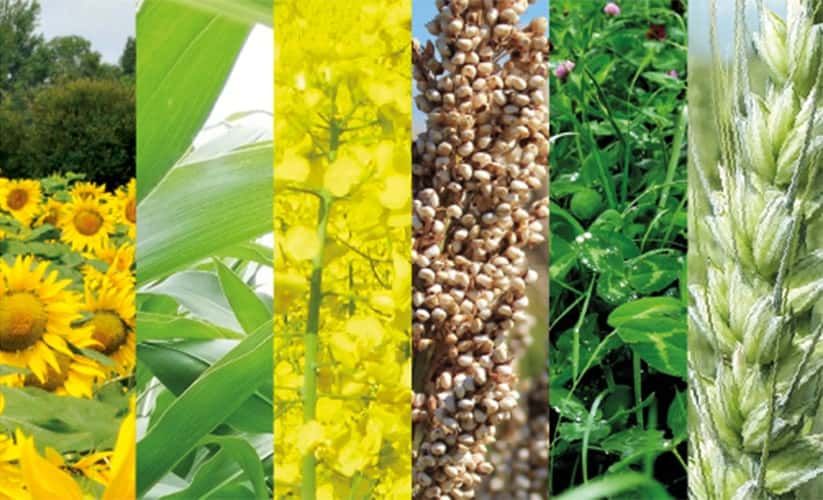
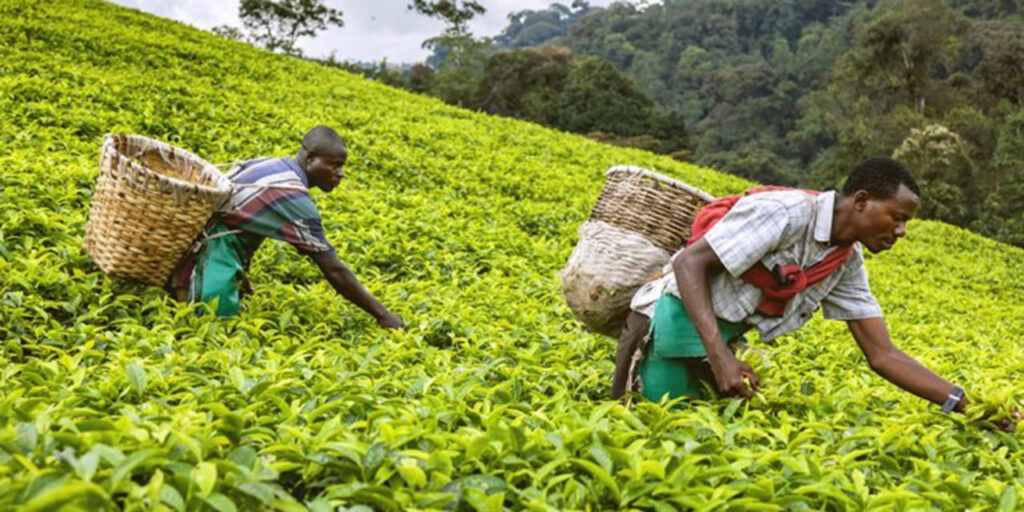
We are Crops Agent Empowering Farmers and Investors Through Strategic Partnerships At Okoa Muda, our Crops Agent service is designed to connect investors, farmers, and buyers, creating a seamless ecosystem for strategic and mixed crop farming. Whether you’re a farmer seeking market access or an investor looking for profitable opportunities, our platform provides the tools, resources, and networks to help you succeed. WHAT WE OFFER     Strategic Crops High-value crops like coffee, tea, cashew nuts, etc.     Non-Strategic Crops Mixed crops like fruits and vegetables with diverse markets.  Explore Farming Projects 2. Contract Farming Contract farming connects investors with local farmers through mutually beneficial partnerships. Investors provide financial support, inputs, or technical expertise, while farmers commit to producing specific crops under pre-agreed terms. Key Features: Pre-determined agreements ensuring price and market access. Partnerships with experienced and reliable farmers. Focus on high-demand crops like maize, rice, coffee, and cotton. Assistance with logistics, storage, and market distribution. Benefits for Investors: Reduced risk through shared responsibilities with farmers. Access to a skilled agricultural workforce with local expertise. Long-term sustainability and community development impact. the list price of crops Commodity Prices Table Commodity Code Location High Price (TZS/kg) Low Price (TZS/kg) Price Change (TZS/kg) Date Rice RC-RS Morogoro 2,400 2,200 -200 31-Dec Maize RC-MZ Arusha 1,850 1,700 -150 31-Dec Beans RC-BN Kilimanjaro 2,500 2,300 -200 30-Dec Coffee RC-CF Kagera 8,000 7,800 200 30-Dec Tea RC-TE Iringa 3,600 3,500 -100 29-Dec Sugarcane RC-SC Mwanza 1,500 1,200 300 29-Dec Sunflower RC-SF Dodoma 2,800 2,600 200 02-Dec Contact us today to explore available projects take the first step toward a thriving agricultural investment! Contact Us

Sourthern Circuit

Ngorongoro Conservation Area

Ngorongoro Conservation Area The Ngorongoro Conservation Area: A World Heritage Site The Ngorongoro Conservation Area (NCA) has been a UNESCO World Heritage Site since 1979, and now its cultural heritage is also being recognized. It is the only site in the world where human communities and a high concentration of wildlife coexist harmoniously. The NCA’s multiple land use systems are among the earliest established worldwide to reconcile natural resource conservation with human development. The area also boasts numerous archaeological, paleontological, and anthropological sites of exceptional quality. If you’re interested in the cultural experiences of traveling in Tanzania, especially the Ngorongoro Crater, you should explore our unique Worldcamp Safaris. These trips offer opportunities to meet the people of Tanzania, engage in activities that positively impact their lives, or simply learn about their culture firsthand in a sensitive and responsible manner. Your Holiday in the Ngorongoro Crater If it had not become the world’s largest inactive, unbroken, and unfilled volcanic caldera, what is now known as the Ngorongoro Crater could have been a towering volcanic mountain as high as Kilimanjaro. The crater, a flagship feature of the Ngorongoro Conservation Area, was formed when a giant volcano exploded and collapsed approximately three million years ago. It descends to a depth of 610 meters and covers a base area of 260 square kilometers. The original volcano is thought to have stood between 4,500 to 5,800 meters high. Besides the main caldera, Ngorongoro also has two other volcanic craters: Olmoti, famous for its stunning waterfalls, and Empakai, known for its deep lake and lush green walls. On the leeward side of the Ngorongoro Highlands is the iconic Ol Doinyo Lengai, Tanzania’s third-highest peak after Kilimanjaro and Meru, and an active volcano. Known to locals as the Mountain of God, it last erupted significantly in 2007. At the mountain’s foot lies Lake Natron, East Africa’s major breeding ground for flamingos. Check our guide to Lake Natron to learn more. Wildlife on a Ngorongoro Safari The Ngorongoro Conservation Area is home to over 25,000 large animals, including approximately 26 black rhinoceros (the exact number is kept confidential for their protection). The rainforests of the crater rim host large elephants, leopards, mountain reedbuck, buffalo, rare wild dogs, spotted hyenas, jackals, cheetahs, and other felines. The crater also has the densest known lion population. The area witnesses the annual zebra and wildebeest migration, where approximately 2 million ungulates move south into the area in December and head north in June. This migration includes 1.8 million wildebeest, 200,000 zebra, and 350,000 gazelles. The Lake Ndutu area in the west is known for its large population of cheetahs and lions. Over 500 bird species have been recorded in the Ngorongoro Conservation Area, including white pelicans, ostriches, and greater and lesser flamingos at Lake Magadi within the crater and Lake Ndutu.

Sourthern Circuit

Nyerere National Park

Nyerere National Park Located in southern Tanzania, far from the madding crowds, Nyerere National Park is Africa’s largest national park, covering a staggering 30,000 square kilometers. It is the size of Switzerland and twice as large as Serengeti National Park. Due to its dramatic landscapes and great diversity of wildlife, the Nyerere National Park (northeastern part of the huge Selous Game Reserve set aside for photographic safaris) was declared a UNESCO World Heritage site in 1982. It is a key landscape for endangered wild dogs, which share the reserve with plenty of crocodiles, lions, leopards, hippos, elephants, black rhinos, buffalo, and more than 400 bird species. With such a rich array of wildlife, it’s the perfect addition to any Tanzania Safari Holiday. The rivers and lakes of Nyerere National Park are the lifeblood of the park. Located at the heart of Nyerere National Park, the Rufiji River, Tanzania’s largest river, creates a complex network of channels, lakes, and swamps that result in one of the most compelling ecological systems in East Africa. More than just a great place for seasoned safari enthusiasts, Nyerere National Park also offers an amazing introduction to unspoiled Africa. It is one of the few big game reserves to offer some of Africa’s best walking and boat safaris as well as fly camping trips. In particular, the boating safaris set this reserve apart from other Tanzanian parks. The fact that Nyerere National Park is so much quieter (in visitor terms) than most of the rest of the country just adds to its attraction. And if quiet lands devoid of human presence interest you, you should also read more about Ruaha National Park. Wildlife in Nyerere National Park The wildlife in Nyerere National Park is particularly interesting as it attracts both East and Southern African wildlife, both resident and migratory, and over 450 known species of birds, making it a key destination on a Southern Tanzania safari. Lions are particularly strong here, and there are large numbers of leopards. The park is home to over 50% of the remaining endangered African wild dogs, and also hosts very good populations of elephants, crocodiles, hippos, spotted hyenas, buffalo, giraffes, elands, sable, kudu, baboons, wildebeests, zebras, impalas, hartebeests, colobus and vervet monkeys along with over 450 species of birds. Over time, Nyerere National Park has been home to a large proportion of Tanzania’s elephant population, but because of an unfortunate increase in poaching over recent years, elephant numbers are much lower than they once were. If elephants are your main reason for visiting Tanzania, check out our guide to Tarangire National Park, as Tarangire has the largest population of elephants in all of Tanzania. When to Visit Nyerere National Park Nyerere National Park is a classic dry season park, with game viewing getting progressively better the later in the season you travel. There are few mosquitoes during the dry season, and the humidity is lower. However, because of the drought, it can get quite dusty. The best time of year for the greatest overall concentrations of game is from July to October, but don’t underestimate the other times—throughout the year, game viewing is very good in various areas. During January and February, you will need to choose your camp very carefully as the game migrates away to more fertile feeding grounds. Birding at this time of year is absolutely world-class. The hottest time of year is between November and March, but there’s good wildlife viewing as the animals are still active and there are often fewer vehicles and boats in the reserve. The migratory birds arrive during these months, too. The short rains fall in November, with humidity building until April. The long rains are from April until May, and most camps and lodges close during this season. Activities in Nyerere National Park Game drives are rewarding, particularly towards the end of the dry season when large mammals concentrate around the five lakes. However, standard daytime game drives are just the beginning. One of the main attractions here is the variety of game viewing activities available. Boat safaris drift on the lakes and channels, approaching birds and animals closely, including hippos and crocodiles. A walking safari is a must if you’re looking for something very special and unique in Nyerere National Park. The beauty and peacefulness that you’ll feel and see while on a Tanzania walking safari cannot be compared to any other. Better still are the overnight fly-camping excursions offered by some of the camps, which entail sleeping out in a mosquito net in the middle of the bush—making it a very adventurous and romantic idea for a Tanzania honeymoon, but not for the faint-hearted! A fly-camp is a small, temporary camp set up in the bush with limited comfort because the tents are just basic camping tents. Dinner is cooked on a fire and served nearby—after which you can gather around the campfire, sit in canvas chairs to relax with a drink and a chat. If you haven’t done it before, sleeping out in the bush in Africa can seem a little scary, but there’s always an armed game scout nearby to reassure you. We highly recommend it for adventurous adults, but please note these trips aren’t for children and should not be a consideration for one of our Tanzania family holidays. On game drives, follow wild dogs as they dash through the bush hunting for warthogs and antelope. Cruise along the river, passing pods of hippos cooling off underwater. Or head out on foot to study the landscape up close, learning about everything from termites to trees. Conclusion Nyerere National Park offers an exceptional safari experience, away from the crowds, with a rich diversity of wildlife and unique activities like boat and walking safaris. Whether you’re a seasoned safari enthusiast or a first-time visitor, Nyerere National Park provides a tranquil and captivating glimpse into unspoiled Africa. For more information on planning your adventure, check out our Worldcamp Safaris.

Sourthern Circuit

Ruaha National Park

Ruaha National Park Ruaha National Park is the largest national park in Tanzania and exudes a truly wild atmosphere that all our guests adore. Relatively untouched, it is wilder and more remote than its southern neighbor, the Selous Game Reserve, and offers superior wildlife viewing, albeit without boating safaris. Safaris here offer superb value for money and rank among the best in the country. Located west of the Selous Game Reserve and south of the Serengeti, Ruaha’s relative inaccessibility results in fewer tourists than the Selous and less than any comparable park in the Northern circuit. The rewards of traveling to Ruaha include a wild landscape with baobab-studded hills and rocky escarpments, along with exceptional wildlife. The park’s name comes from the Great Ruaha River, which flows along its southeastern margin and is the focal point for game-viewing. The eponymous Great Ruaha River serves as a lifeline for the park’s wildlife. The lion viewing in Ruaha is particularly rewarding, with predator concentrations across the park that are better than in many other parks in the country. The park features semi-arid vegetation, including baobab trees and acacias, and boasts over 1,650 identified plant species. In summary, Ruaha is an excellent safari destination and a valuable addition to your great Tanzania safari holiday. Wildlife in Ruaha National Park Ruaha safaris are known for their reliably exciting predator concentrations. The park is home to 10% of the world’s lion population, with prides of more than 20 lions not uncommon. It contains one of four cheetah populations in East Africa and has the third-largest wild dog population in the world. Elephants are seen in high densities during the dry season, gathering around the dry riverbed to dig for water with their trunks and front feet. The park’s unique combination of species from both east and southern Africa excites wildlife and birdwatching enthusiasts. It is not uncommon to see Grant’s gazelle, greater kudu, and lesser kudu in the same area as East Africa’s common species such as zebra, defassa waterbuck, impala, and giraffe. With dedication and exploration, visitors can find sable, roan, hartebeest, and over 570 species of birds, including the eponymous Ruaha red-billed hornbill. This diversity makes Ruaha one of Tanzania’s top birdwatching spots. Migrant birds from Europe, Asia, Australia, and Madagascar arrive during the rainy season between February and April. The park is also home to numerous reptiles and amphibians, including poisonous and non-poisonous snakes, monitor lizards, crocodiles, agama lizards, and frogs. When to Visit Ruaha National Park June-November: Dry Season December: Annual Rains January-March: Green Season April-May: Closed Like the Selous, Ruaha is a classic dry season park. The long dry season between June and November is the best time to see large mammals and big cats. Game viewing improves as water holes and rivers dry up, concentrating animals around the remaining water sources. June is also the breeding season for the greater kudu, offering sightings of males with their elegant, twisted horns. During the dry season, visitors can expect to see golden savannah studded with baobabs and misty hills stretching along the horizon. Waterbuck, impala, and gazelle come to the river to drink, with predators never far behind. Lions or leopards may be spotted prowling along the banks, cheetahs lying in wait on the plains, and jackals and hyenas skulking for an opportunity to catch their next meal. For birders, the best time to visit Ruaha is during the rains between February and March, when the migrant birds arrive. The wet season is a time when the park is at its lushest, with baobabs blooming and wildflowers peppering the verdant grasslands. This is also an excellent time for landscape photographers to visit. Traveling to Ruaha out of season will virtually guarantee solitude, as you may see no other people while on safari. There are areas in the park where game concentrations are good year-round, making it a viable option to visit even in the off-season. Activities in Ruaha The main activity in Ruaha is daytime game drives, as night safaris are not allowed. Some camps offer walking safaris, and Jongomero is the only camp that operates fly camping trips with nights under the stars. With the right camera, this offers a great opportunity to take long exposure shots of the night sky as you’ve never seen it before.

Sourthern Circuit

Lake Manyara National Park

Lake Manyara National Park Located on the road from Arusha to Ngorongoro, Lake Manyara National Park is set between the Great Rift Valley and the soda-rich lake, making it a frequent stop on Tanzania safaris headed to the Ngorongoro Crater and Serengeti National Park. Stretching 50 kilometers along the base of the Rift Valley escarpment, Lake Manyara was described by Ernest Hemingway as “the loveliest I had seen in Africa.” Although the concentration of wildlife is less impressive than in some of Tanzania’s other parks, Lake Manyara National Park is renowned for its tree-climbing lions, habituated baboons, large elephant populations, and impressive birdlife. With its varied ecosystems and breathtaking views, it is an ideal stop for anyone planning a Tanzania Photography Safari. The game-viewing circuit through Lake Manyara National Park offers a microcosm of a Tanzania safari. After passing through the entrance gate, you’ll experience a road winding through a lush, jungle-like groundwater forest where baboon troops lounge casually beside the road, blue monkeys scamper between mahogany trees, bushbuck tread carefully through the shadows, and forest hornbills honk noisily in the high canopy. Birdwatching on a Lake Manyara Safari Lake Manyara is home to an incredible variety of bird life that thrives on its brackish waters. More than 400 species have been noted, and even a first-time visitor to Africa can reasonably expect to see 100 of these in one day. Thousands of pink flamingos stoop and graze, presenting colorful specks against the gray minerals of the lake shore. It’s impossible to predict how many flamingos you might see, as they flit between here and other East African lakes, but the experience is always rewarding. Inside Lake Manyara National Park, even reluctant bird-watchers will find something to marvel at as yellow-billed storks swoop on the winds rising from the escarpment and herons flap their wings against the sun-drenched sky. Wildlife in Manyara: Tree-Climbing Lions, Baboons, Elephants, and More The famous tree-climbing lions are another major attraction of Lake Manyara. The only kind of their species in the world, they make the mahogany and elegant acacias their home during the rainy season and are a rare but well-known feature of the northern park. Lake Manyara National Park also hosts the largest concentration of baboons found anywhere in the world, making it an ideal spot for primate-focused safaris. In contrast to the intimate forest, the grassy floodplain offers expansive views to the east across the lake to jagged blue volcanic peaks rising from the vast, endless Maasai steppes. Large buffalo, wildebeest, and zebra herds meet on these grassy plains, along with giraffes, some so dark in coloration that they appear black from a distance. Inland, you can see squadrons of banded mongoose darting between the acacias, while the diminutive Kirk’s dik-dik forages in their shade. In the far south of the park, pairs of klipspringer are often seen silhouetted on the rocks above a field of blazing hot springs steaming and bubbling next to the lakeshore. The uniqueness of Lake Manyara’s wildlife makes it ideal for both first-time Tanzania Family Safaris and veteran safari-goers. Access to Lake Manyara National Park Lake Manyara National Park is relatively small and can easily be reached from Arusha on the way to Ngorongoro and the Serengeti. Most visitors spend just a day or half a day here, but there is plenty to see, and we can show you the highlights in a relatively short period of time. When to Visit Lake Manyara The peak season for Manyara is officially from July to October, but for a park as small as this, that should not be a deciding factor. Lake Manyara is consistently good for game viewing throughout the year. It’s a great way to start your Tanzania safari, and we recommend including it in your Northern Tanzania circuit when heading to the Ngorongoro Crater. Accommodations in Lake Manyara National Park The most famous lodge at Manyara is the Lake Manyara Tree Lodge, which is the only accommodation inside the park. Most visitors stay outside the park but near the park gate, allowing them to explore the entire park by entering early in the morning. Along the Rift Valley escarpment, there are many accommodations offering great views of the valley and the lake. Staying in the Rift Valley outside the park opens up a wealth of possibilities, including village walks, hiking, and mountain biking. We also recommend staying in the nearby Karatu area. We hope you are inspired to add Lake Manyara National Park as a stop on your big Tanzania Safari Tour. If you have any questions or would like us to create a bespoke itinerary for you, please feel free to get in touch. Start planning your next big adventure with Worldcamp Safaris!

Sourthern Circuit

Tarangire National Park

Tarangire National Park Often described as Tanzania’s most underrated national park, Tarangire National Park is one of Africa’s little-known treasures and a must for any northern circuit itinerary. With just a fraction of the visitors that the Serengeti receives, Tarangire offers more space and exclusivity for those who make it there. The park boasts a variety of wildlife as diverse as its landscape and is home to the largest population of elephants in Tanzania, making it arguably the best place in the world to see African elephants. With four of the Big Five residing in the park, Tarangire is a terrific spot for a day trip from Arusha or as an addition to a Serengeti/Ngorongoro focused itinerary. Located between the meadows of Maasai Steppe to the southeast and the lakes of the Great Rift Valley to the north and west, about 120 kilometers outside of Arusha, Tarangire’s seasonal migrations within the greater Tarangire ecosystem make it a fantastic park to revisit on subsequent safaris, as it always has something new to show you. Wildlife in Tarangire National Park The wildlife you’ll see in Tarangire changes with the seasons. Some animals leave the park between November and May, returning to the Tarangire swamps during the dry season from June to October, especially around the river system. During this time, herds of up to 300 elephants search the dry riverbed for underground streams, while migratory buffalo, impala, wildebeest, zebra, gazelle, hartebeest, and eland crowd around the shrinking lagoons. The park boasts the greatest concentration of wildlife outside the Serengeti, making it a smorgasbord for predators. It’s also the only place in Tanzania where dry-country antelope like the fringe-eared oryx and long-necked gerenuk are regularly seen. The swamps are a focus for 550 bird species, with the most breeding species in one habitat anywhere in the world, making Tarangire a famous destination for bird lovers. Other common animals in Tarangire include leopards, lions, hyenas, and cheetahs, often found in the southern open areas. However, the thick vegetation can make predators harder to spot compared to other parks in northern Tanzania. The large numbers of elephants and colossal baobab trees make Tarangire a popular destination for Tanzania photography safaris. If you have time, we recommend staying for a few days in the south of the park, as it’s less crowded and gives you the opportunity to experience the backcountry. Plant Life in Tarangire National Park The park is named after the Tarangire River, the only source of water for wildlife during the dry seasons. Despite the river being drier than the Serengeti, Tarangire’s vegetation is much greener, with lots of elephant grass, mixed acacia woodlands, and baobab trees. The baobab, known as the Tree of Life, can store between 300 and 1,000 liters of water within its trunk and can live up to 600 years. This tree is particularly common in Tarangire National Park. There are also wide swamps that dry into green plains during the dry season in the south. The dry open woods, acacia thickets, and significant baobab trees make up most of the vegetation in Tarangire. Activities in Tarangire Tarangire is ideal for those who want to explore beyond game drives. Walking safaris offer the opportunity to study the smallest creatures and learn about tracking animals. For a completely different perspective, you can soar through the sky in a hot-air balloon at dawn or head out on a night drive to find nocturnal wildlife. There are many incredible ways to explore this place, and Worldcamp Safaris have the local knowledge and resources to make it happen. The Best Time for a Tarangire National Park Tour During the dry season, Tarangire has the highest concentration of mammals in the country. From late June to October, thousands of animals migrate to Tarangire from Lake Manyara National Park, congregating around the Tarangire River. This makes for one of the greatest safari experiences in Africa! While July to October marks the high season with many tourists, the low season, with more rain and taller grass, can make animals harder to spot. Regardless of when you visit, we are dedicated to helping our guests have the best safaris possible. Check out the various Tanzania safari holiday options and get in touch to ask questions or tell us exactly what kind of safari you’re looking for.

Sourthern Circuit

Serengeti National Park

Serengeti National Park The Serengeti National Park is the only place where you can witness millions of wildebeest migrating over the acacia plains. This alone makes it worth visiting, but it is also considered the cradle of human life and possibly the closest to an untouched African wilderness you will ever find. Here, time seems to stand still, even though thousands of animals are constantly on the move. The magic of the Serengeti is difficult to describe in words, as it is a feast for the senses. The views are incredible, but so are the sounds, as millions of wildebeest on the move create a symphony of noise. The numbers of wildebeest and zebra are so high that the air vibrates through your entire body. This is something you will try to describe to friends and family before realizing it’s impossible. You can also enjoy vistas of honey-lit plains at sunset so beautiful that it’s worth the trip just for this alone. The Serengeti is also home to the Maasai people: friendly natives who are happy to meet visitors and share their way of life. Visiting the Serengeti National Park is magical year-round, but it’s particularly special between July and October, when the famous river crossings of the Great Migration occur in the Northern Serengeti. As you usually pass it on your way to the Serengeti, you may also want to check out our guide to the Ngorongoro Conservation Area. The Never-Ending Cycle of the Great Migration In 1972, the Serengeti National Park was one of the first locations listed as a World Heritage Site. The area had been recognized as a unique ecosystem in the 1950s, showing us how dynamic ecosystems really are and providing many insights into how the natural world functions. Today, most visitors come to witness the Great Migration—millions of wildebeest, gazelles, elands, and zebras on a mass journey to quench their thirst for water and fresh grass. The fact that Serengeti National Park is home to the Great Migration means that, for many, Tanzania is Africa’s top safari destination. During this great cyclical movement, these ungulates move around the ecosystem in a seasonal pattern, defined by rainfall and grass nutrients. These large herds of animals on the move can’t be witnessed anywhere else. The Serengeti is protected but unfenced, allowing animals to make the same return journey they’ve been making for millions of years. Beyond the Great Migration Even though the migration is one of the main reasons to visit Serengeti National Park, it’s worth looking beyond this immense spectacle because nature can’t be directed and having realistic expectations is crucial. For example, a river crossing can sometimes only last a few minutes and can be easy to miss. However, don’t let this discourage you, as there are many other reasons to visit the Serengeti. It’s to see a vast stretch of land where you can drive forever and never get enough. It’s to see incredible skies of dazzling colors. It’s to experience the primal feeling of excitement when a deep dark-grey thunderstorm appears on the horizon. Or you might come to the Serengeti just to see one of the largest concentrations of predators in the world: the herds support about 7,500 hyenas, 3,000 lions, and 250 cheetahs. And let’s not forget the silent gray giants. Elephants in the Serengeti amble over the plains into the woodlands, dining on leaves and tree branches. Tribes in the Cradle of Human Life While animals still rule the Serengeti plains, the area also has a long history of human occupation as humans and their ancestors have lived here for almost four million years. Today, the Serengeti is still home to several indigenous tribes; one of the most famous is the Maasai, who are unique because of their long-preserved culture. Despite western cultural influences, the Maasai people have clung to their traditional way of life, making them a popular symbol of Tanzanian culture. Consider one of our Worldcamp Safaris, which offer guests the opportunity to meet the Maasai and other people of Tanzania. Vibrancy, Variety, and Vastness in the Serengeti On your Serengeti holiday, you will soon realize that amazement doesn’t have boundaries in this world-renowned national park of Tanzania. The Serengeti is a transition area, with distinct changes from rich flat soils to poor hilly soils in the north, attracting a wide variety of vegetation and animals. Whether you’re looking for big cats, birds, or even smaller creatures, Serengeti National Park delivers. Even understanding and experiencing just a small part of this ecosystem will change your vision of our world and the environment.

Agriculture, Sourthern Circuit

Commercial Farming

Commercial Farming Projects Commercial Farming At Okoa Muda, we bridge the gap between investors and transformative agricultural opportunities, empowering sustainable growth and profitability. Our commercial farming projects focus on scalable, market-driven farming initiatives that cater to both domestic and international markets. Our Commercial Farming Opportunities 1. Block Farming Block farming provides investors with the chance to purchase or lease large tracts of fertile land for agricultural production. This approach is ideal for high-demand crops and allows for modern farming techniques, ensuring high yields and profitability. Key Features: Large-scale land plots available for leasing or purchase. Infrastructure support, including irrigation and road access. Expert guidance in crop selection and market targeting. Access to agricultural inputs such as fertilizers, seeds, and machinery. Benefits for Investors: High return on investment through economies of scale. Opportunity to grow strategic crops with guaranteed market demand. Full operational control or partnership with Okoa Muda for farm management. Explore Farming Projects Explore Farming Projects 2. Contract Farming Contract farming connects investors with local farmers through mutually beneficial partnerships. Investors provide financial support, inputs, or technical expertise, while farmers commit to producing specific crops under pre-agreed terms. Key Features: Pre-determined agreements ensuring price and market access. Partnerships with experienced and reliable farmers. Focus on high-demand crops like maize, rice, coffee, and cotton. Assistance with logistics, storage, and market distribution. Benefits for Investors: Reduced risk through shared responsibilities with farmers. Access to a skilled agricultural workforce with local expertise. Long-term sustainability and community development impact. Contact us today to explore available projects take the first step toward a thriving agricultural investment! Contact Us

Scroll to Top